Pain that keeps coming back needs a different approach
Most treatment focuses on where it hurts. We focus on why it keeps happening.





“I have a herniated disc and arthritis in my lumbar spine that has taken over my life for years. Josh took on my pain with an approach that no one else has.”
Persistent pain is real, and more complex than one sore structure
Chronic pain is real. But once pain has lasted longer than 3 months, it's no longer just about tissue damage.
The nervous system has adapted. And that means a different kind of treatment is needed.
It can affect your sleep. Your work. Your confidence. Your family life. Your mental health. And it rarely responds to short term fixes.
Pain lasting over three months needs a different approach.Start with a free 10 minute call if you would rather talk first.
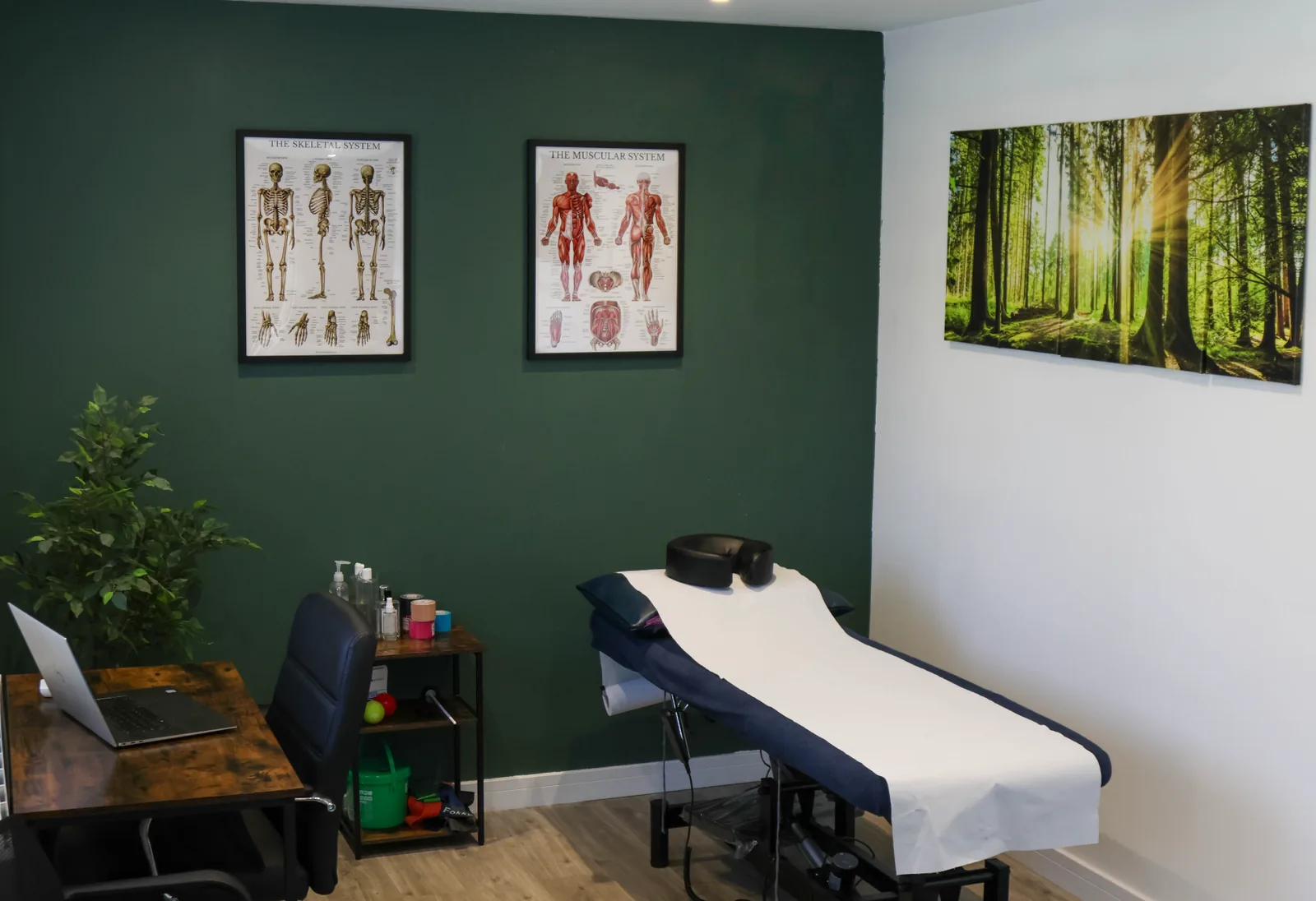
“When you step into the clinic, you really don't feel it's one. Made at the homely corner of a cozy garden. So there's least chance one's nervous system will be hyperactive with the apprehension of meeting a therapist.”

Why it keeps going
That's why a one size fits all approach so often falls short.
Physical factors
Mobility, strength, posture and old injuries all play a role in keeping pain alive.
Lifestyle factors
Sleep quality, stress levels and daily habits directly influence how the nervous system processes pain.
Emotional factors
Anxiety, fear of movement and low mood can amplify pain signals significantly.
Social factors
Work pressure, family demands and lack of support are often overlooked drivers of persistent pain.
We assess the whole person, not just the painful area
Listen first
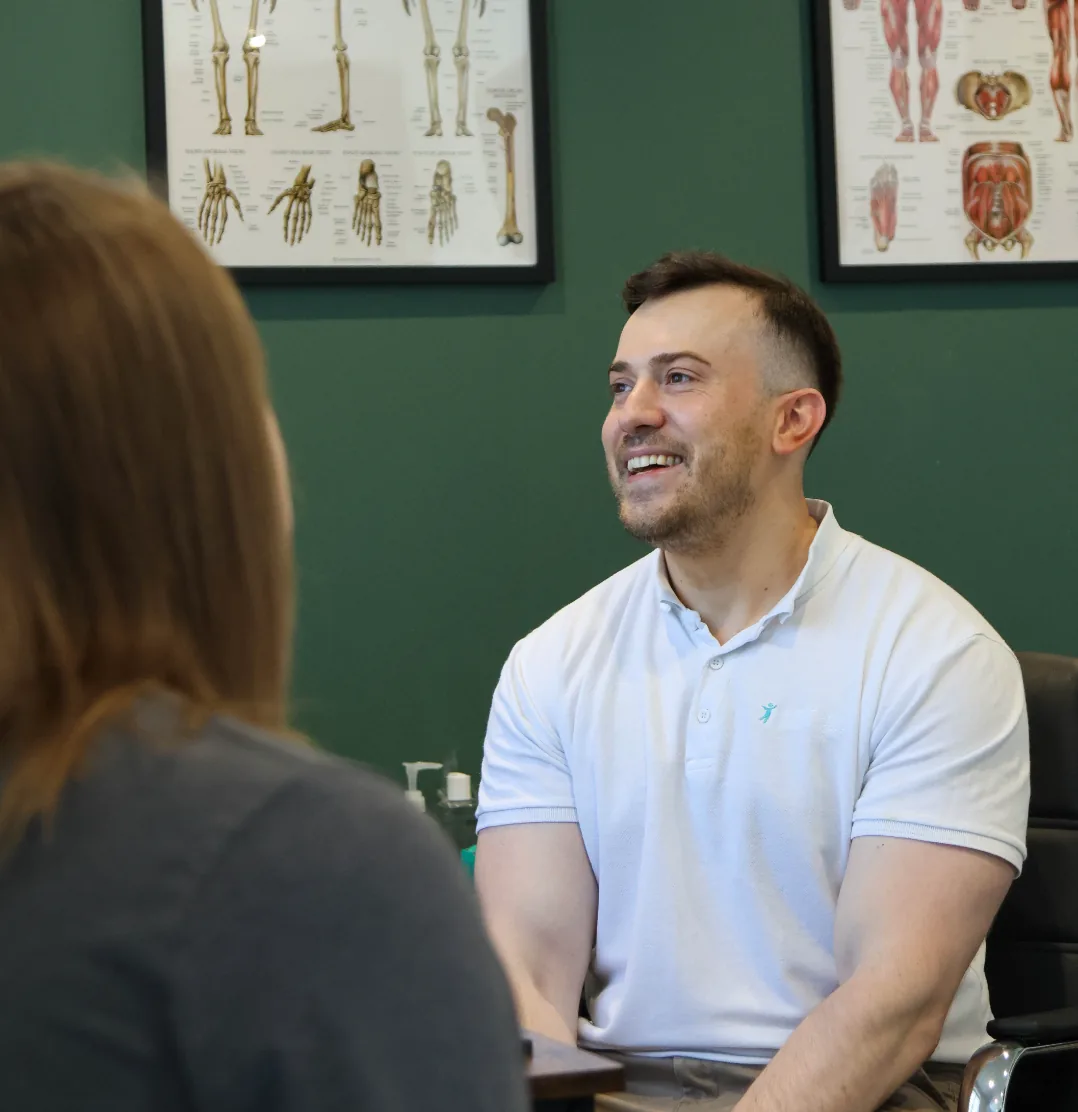
We take time to understand your story, your symptoms, what you've already tried, and how pain is affecting your life.
Assess the full picture
We look beyond the painful area, movement, strength, sleep, stress, lifestyle and the patterns driving the problem.
Build a plan that fits you
No generic exercises. No handouts. Everything tailored to your body, your goals and your daily life.
Move forward with confidence
Not just short term relief, lasting progress, real understanding, and more confidence in your body.
What treatment involves
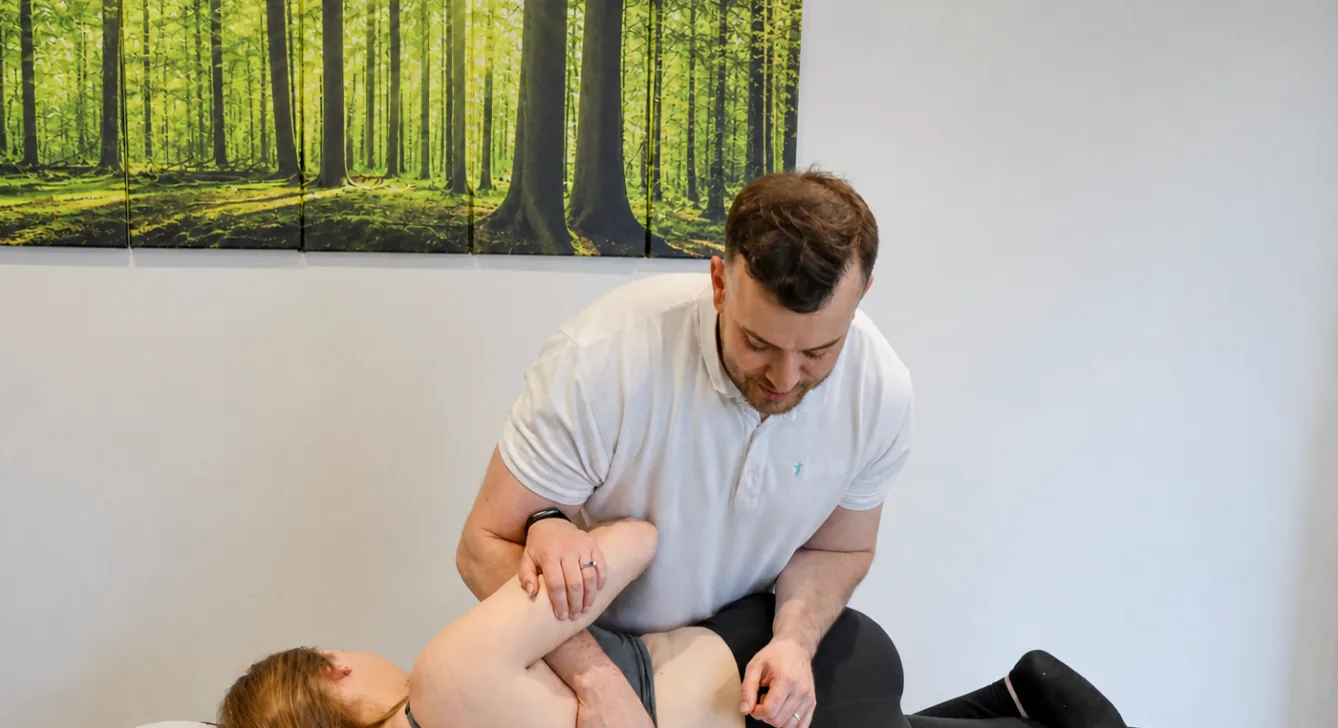
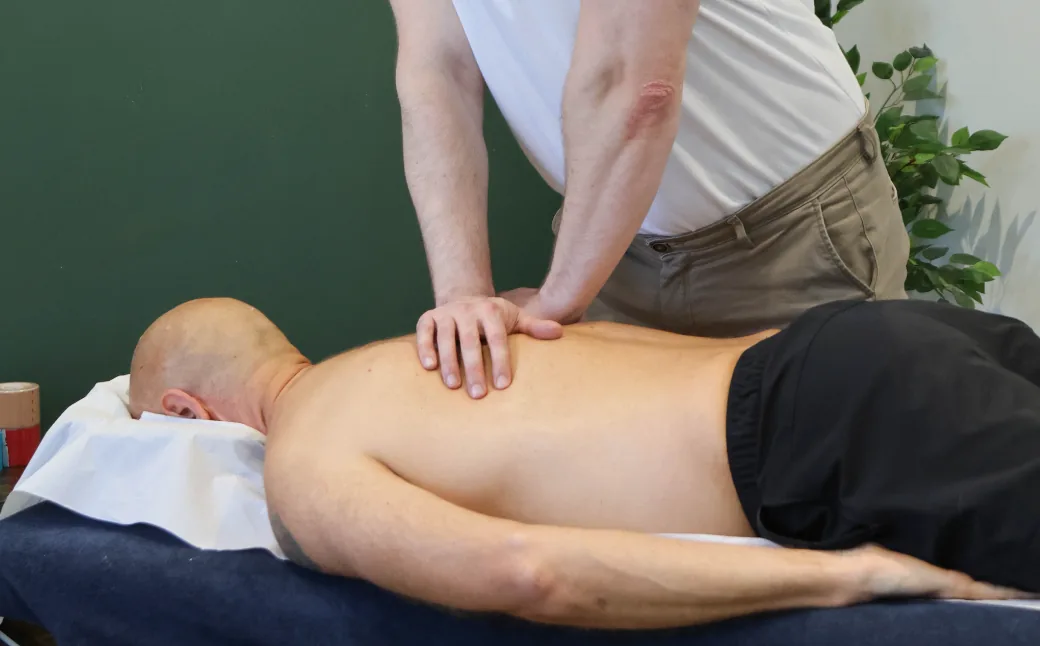
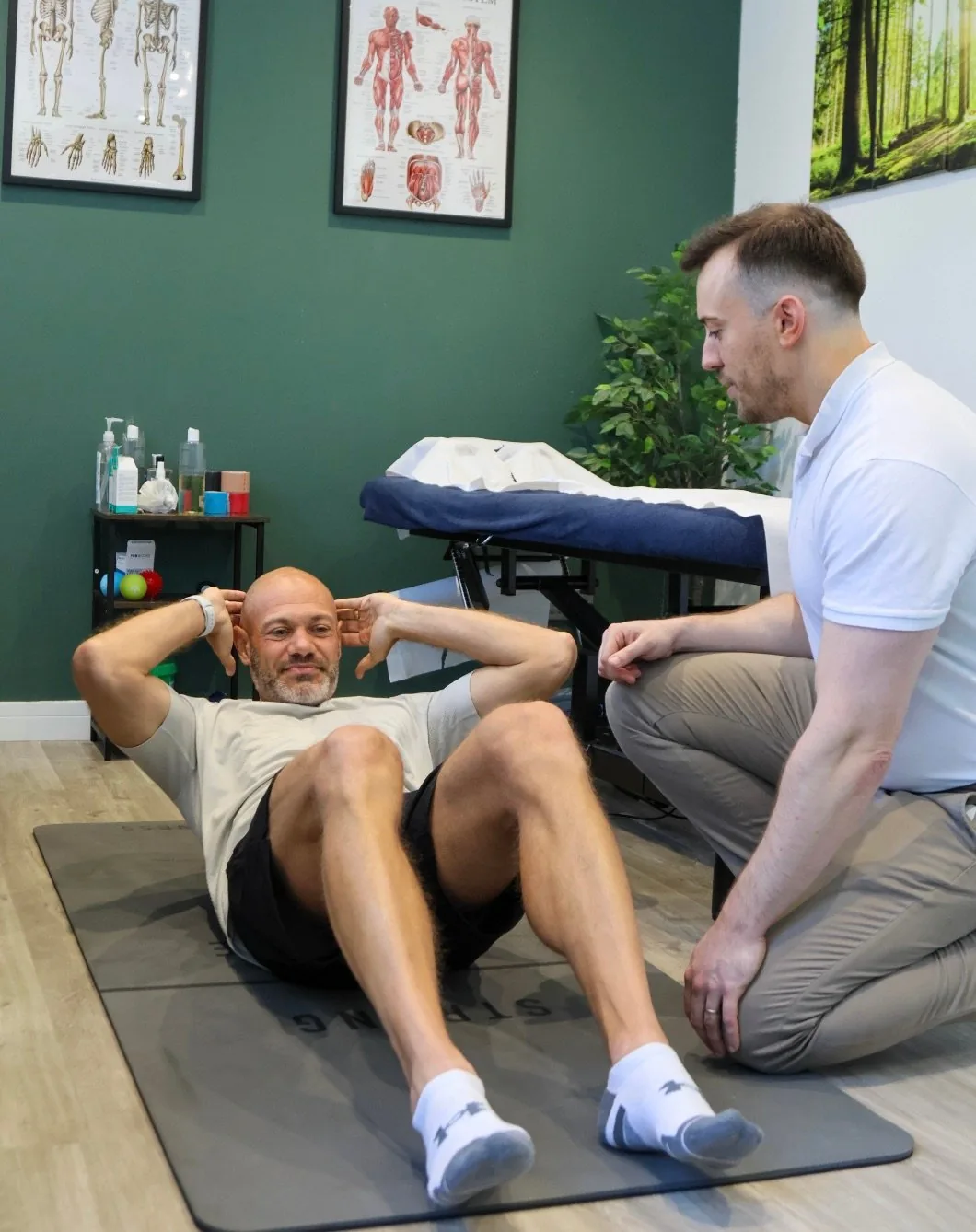
Assessment, hands on treatment and graded loading, matched to what we find.

Looking at the wider picture
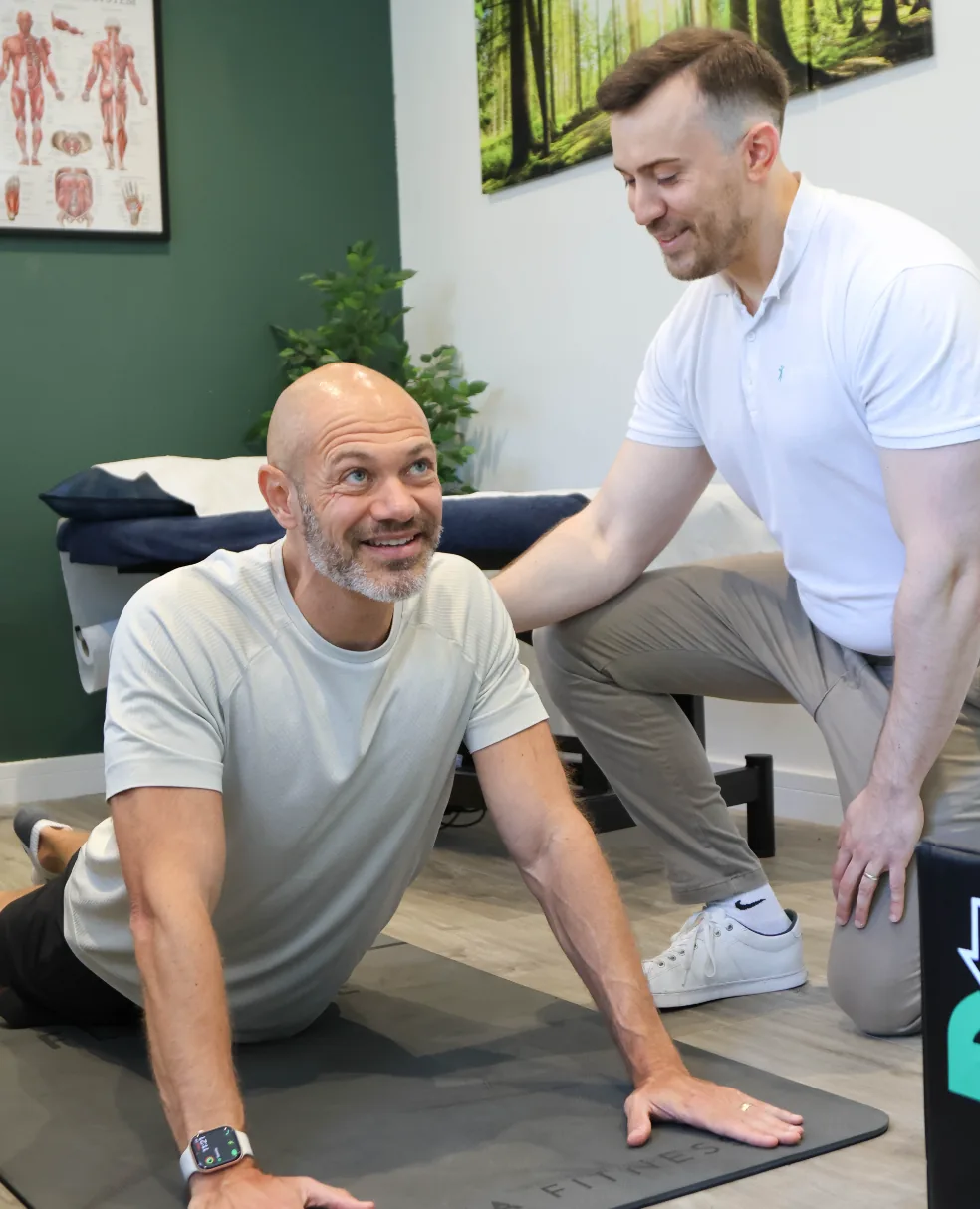
Assessment that looks past the painful area to what is keeping the pain going.
In their own words
Raffaela
Helped over the last 12 months. Long term chronic spinal pain.
Elizabeth
Back in the gym, back in control. Pain in her back for 10 years.
What our patients say
An Approach No One Else Had
“I have a herniated disc and arthritis in my lumbar spine that has taken over my life for years. Josh took on my pain with an approach that no one else has.”
13 Years Of Rheumatoid Arthritis
“I've had Rheumatoid Arthritis for 13 years but the past 2 years have been awful. I found my mobility reducing and the pain increasing. I was only able to control the pain with a lot of painkillers or steroid injections.”
More Than Just Exercises
“I have always found previous physio appointments to be very black and white. The outcome has always been a referral and some exercises. It never took account of my mental health and my emotional wellbeing.”
What recovery actually looks like
Not sure if this is right for you?
Three questions, then we will point you to the right page.
You're a good fit for BetterMe.
Based on your answers, a specialist chronic pain assessment would give you real clarity and a plan that finally fits your situation.
Get help with persistent pain
Three quick questions and your number. Josh reads every enquiry himself and comes back within a couple of hours.
- No referral needed
- Evenings until 9pm plus weekends
- Free 10 minute call if you would rather talk first
- We will say if physiotherapy is not the right answer
How persistent pain actually changes
Not a straight line, and not overnight. This is the shape most people follow.
- Week 1
Understanding it
A full history and examination, then an explanation of what is driving the pain and what is keeping it going. Most people leave the first appointment understanding their pain for the first time.
- Weeks 2 to 4
Settling the system
Hands on treatment where it helps, alongside gentle graded movement. The aim is not to chase the pain away but to reduce how reactive the system has become.
- Weeks 4 to 8
Building tolerance
Progressive loading, matched to what you can currently handle rather than what a protocol says. This is the part that produces lasting change, and the part most treatment skips.
- Weeks 8 and beyond
Back to your life
Returning to the things you stopped doing, with a plan for the flare ups that will still happen. Knowing how to handle a flare is what stops it becoming another year of pain.
Common questions
How long is an appointment and how many will I need?
Do you see people with fibromyalgia?
What makes this different to an NHS pain clinic?
Is physio right for me if I've had pain for a long time?
Do I need a referral?
I've tried physio before and it didn't help.
How many sessions will I need?
Pain that has lasted years is still worth assessing
Most people begin with a free 10 minute call.
110+ five star Google reviews · HCPC registered · MACP accredited